

Listen Now


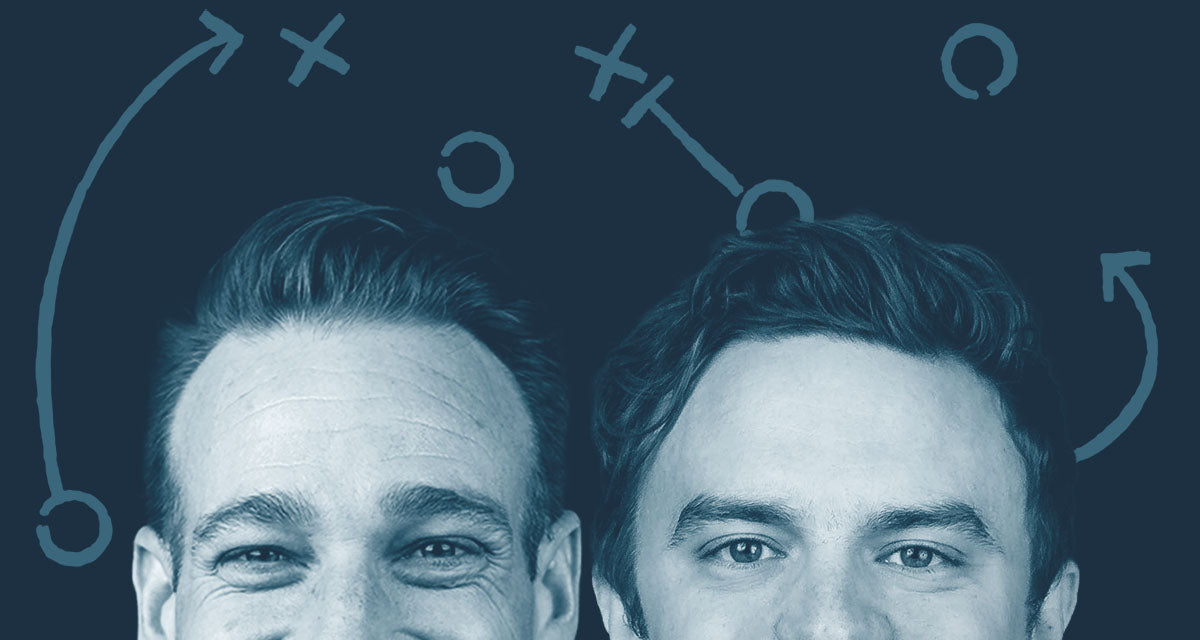
Common Thread Collective is now an owner in Commerce Roundtable. In this episode, Taylor with Jimmy Kim, founder of Commerce Roundtable, to tell the full story of how this partnership came together and why in-person events matter more than ever.
Jimmy shares the origin story of Commerce Roundtable, from a 50-person CBD roundtable in a San Diego office in 2019 to a community-driven ecommerce event with 350+ curated attendees. Taylor talks about why CTC decided to go from attendee to owner, and what they're building together.
What we cover:
-
How Commerce Roundtable started in 2019 and evolved through COVID
-
Why most ecommerce events are broken (vendor-first, content-last)
-
The difference between sponsor-driven events and community-driven events
-
Why physical proximity and in-person relationships compound over time
-
How CTC and Commerce Roundtable plan to work together
-
What's coming: Austin (April 20-21), retention road show, San Diego (September)
-
Why brands are willing to pay $400 to be in the room
-
The future of ecommerce events and education
If you're building an ecommerce brand and you want to be in rooms with operators who actually get it, this is why we invested.
Commerce Roundtable: https://commerceroundtable.com
Show Notes:
-
See how their guarantees work at https://redstag.com/
-
Explore the Prophit Engine: https://commonthreadco.com/pages/prophit-engine
- The Ecommerce Playbook mailbag is open — email us at podcast@commonthreadco.com to ask us any questions you might have
Watch on YouTube
[00:00:00] Jimmy: I'll kind of lead you to where we got here today. But you know, this thing started in 2019, believe it or not, and the idea in 2019 was I was building this marketing automation platform and I wanted to figure out what my go-to-market was. And I. Quickly understood that I had to kinda micro niche down as much as I could.
[00:00:18] In fact, what I started was looking at the C-B-D-T-H-C cannabis space, and I was actually looking for a way into that space. So the first Commerce Roundtable happened in in office that we had in San Diego, and we invited a bunch of these thought leaders in the CBD space who were trying to pioneer the online ecosystem, and we threw together this.
[00:00:39] 50 person event where we brought people in in a real true roundtable type of experience. And we discussed the challenges and the needs that people had. And then we fast forward into 2020, COVID hit us
[00:00:50] right?
[00:00:50] Speaker: This episode is brought to you by Red Stag Fulfillment. Most fulfillment issues aren't big, obvious problems. They're small things, wrong orders, late shipments, inventory that's slightly off, individually manageable, but over time, they add up and you are the one dealing with the refunds, the complaints, and the hit to your margin.
[00:01:07] Most three pls treat that as part of the cost of doing business. Red Stag doesn't. If something goes wrong, they take responsibility for fixing it and covering the cost. Check 'em out@redstag.com.
[00:01:20] Taylor: Welcome to another episode of the E-Commerce Playbook podcast. I'm joined by today by my new partner, the Man, Mr. Jimmy Kim here. And we are talking today about something exciting that we announced last week, which is the partnership between CTC and Commerce Roundtable. And so we're gonna give you guys all the insight into how this came to be.
[00:01:38] What is Commerce Roundtable, and why do I think being in person is gonna matter so much in the future? So let's get started. Jimmy, welcome in, man. Yeah,
[00:01:46] Jimmy: What's up man? Thanks for having me here.
[00:01:49] Taylor: dude, this is been a long time coming. This is a relationship that I'd like to say began at the blackjack table. That's really where you and I in New Orleans began to just believe in one another's shared view of the world.
[00:02:01] And that was betting on doubling down on 10 every time you can, even if the dealer has 10, we don't care, Jimmy. We're going for it. We're trying to build things around here.
[00:02:08] Jimmy: Yep. Go big or go home, man. That's how it's all
[00:02:12] Taylor: we have a positive view of the future, but no, in reality, I've had the opportunity to participate in a number of the events that Jimmy and his team have thrown together.
[00:02:21] And these guys just do it better than everybody else. In part because they are the community. They come very much as builders and founders from within it. And so they understand and empathize with the experience of creating an event that would matter to them as founders and so. Forever. I've been going, man, there's gotta be a way we could do something together.
[00:02:36] Because we care a lot about educating the community. We care a lot about creating spaces that people wanna be a part of. And so this was something really exciting here, but before we get into that piece of it, Jimmy, what is Commerce Roundtable? What for people who haven't attended an event, tell us how we got here.
[00:02:49] Jimmy: Yeah, so I'll, I'll kind of give you the story and I'll kind of lead you to where we got here today. But you know, this thing started in 2019, believe it or not, and the idea in 2019 was I was building this marketing automation platform and I wanted to figure out what my go-to-market was. And I. Quickly understood that I had to kinda micro niche down as much as I could.
[00:03:10] In fact, what I started was looking at the C-B-D-T-H-C cannabis space, and I was actually looking for a way into that space. So the first Commerce Roundtable happened in in office that we had in San Diego, and we invited a bunch of these thought leaders in the CBD space who were trying to pioneer the online ecosystem, and we threw together this.
[00:03:30] 50 person event where we brought people in in a real true roundtable type of experience. And we discussed the challenges and the needs that people had. And then we fast forward into 2020, COVID hit us, right? And when that hit us, well, we kind of leaned into the digital thing that everybody leaned into and we decided Commerce Roundtable was gonna be this cool digital event that was very hyper-focused on content and education into this market.
[00:03:54] I come from a content creator background, so I knew that this is what I believe would help run it. And we did that for about. Oh man, eight, nine shows I think we did and we did a lot of unique things like gamifying it and things that you're seeing today in the real life element that we had, and then we continued on.
[00:04:10] And in 2023, this is kind of where it all kicked in for me. So I was on the SaaS side and I was sponsoring all these events. I did over 90 events at one point or another, and I was a sponsor of most of them. And the thing I quickly realized was two things. Number one, as you kind of see in this world.
[00:04:26] These events are old and a lot of the mantra around the things that people were trying to do were very old school style. The meat market, where you have all these sponsors that are just lined up and they're just looking to grab attendees just to speak to 'em and pitch them right away. And then two, the content on stage was well.
[00:04:44] They were paid for. And you know, frankly I was paying for my way up there, but I would never go up there ever to pitch because I wanted to deliver value because I know that's the way to truly elevate yourself and get the attention of the audience. And in fact, I remember it, this, the light bulb hit me, it was Triple Whales event in Austin in 2023, I think it was.
[00:05:05] And I walked into that room and I. Not only did I, you know, really make sure that when I got on stage that I delivered a strong conversation around deliverability, something that no one had ever heard. But what I really loved about the market that they had brought together at that time was it was a community of people who were online, people learning.
[00:05:21] It was a different experience and the room was unique, and that kind of inspired me. And in 2023, we threw our very. First live event. And, you know, I was really proud of, you know, I, I was so involved in the community, I was able to reach out to some of the biggest follower, elite biggest thought leaders in this space.
[00:05:37] People like Sean Frank and, you know, the hex black guys and, you know, just a little bit of everybody to come into this room. About 220 people, roughly that first show. And I brought together this event and everyone absolutely loved it. And I knew something was there in 2024. I. Continued on with this event, but at the same time, I was exiting my company and as part of the exit package when I was going, I said, Hey, what are you guys gonna do with Commerce Roundtable?
[00:06:02] And the answer was, well, we're probably not gonna do anything 'cause you were the guy who did everything. So I said, well, let me have Commerce Roundtable outta the company and let me go build something up with it since you guys aren't gonna do anything. So we acquired it. In 2024, we launched our next event, and since then it's become a company.
[00:06:19] And the idea around the future, around everything we're doing, it's a community, it's a community driven, built, built event for the community, by the community ultimately. So you're gonna see a lot of the people you see online, the people who are, who are conversing and sharing their thoughts and their education and the things that they're doing.
[00:06:35] And we wanted to bring that those people together into one single room. So that's kind of been the story. It's been a unique little story that kind of brought us here. Feels to me brand new, but it's actually been in works for six years now at this point.
[00:06:49] Speaker: If you're running e-commerce, you already know. Fulfillment issues don't usually show up as big failures. They show up in small ways. A mispick, a late shipment inventory that doesn't quite match what's in the system individually, no big deal, but they add up and you are the one handling the fallout and the cost.
[00:07:04] Red stag fulfillment builds to a different standard. They don't treat those issues as part of the process. Instead, they guarantee zero shrinkage, zero miss picks. And zero late shipments. If inventory is lost or damage, they reimburse you. If an order ship's wrong or late, they cover the cost to make it right, because when something breaks in fulfillment, you shouldn't be the one paying for it.
[00:07:24] See how their guarantees work@redstag.com.
[00:07:27] Taylor: Like most good things, there's always way more to it than it ever seems, right? These things don't just happen, but, but I think for me, part of what I saw is that. Events are not a simple thing like they are a, they are a complex labor of love of both curating that commu community, investing in building the quality of the content and the place that it comes from has to actually be a genuine care for the ticket purchaser like that.
[00:07:51] This sense that you genuinely give a crap about whether or not they felt that the information was useful and valuable, and you guys. I think my experience of you as a human, obviously of Nick and Chase is that like, that matters a lot to you guys. Like that you have this sense that the people coming and paying for the event, it really does matter and you have a long view of it.
[00:08:10] And so I think oftentimes I think these things can feel a touch exploitive, and that you're trying to maximize every dollar of every attendee. And I've been in those spaces too, and I think it was for me going, okay, these guys are actually, they actually do love events. You know, I, I've joked with Nick forever that he has this like.
[00:08:25] His home is, his happy place, is on stage and in those spaces. And there for some people, like for me candidly, I don't, it's really hard for me actually to give a lot of my space or energy into that space. It's not my comfort level. So when you see someone and you can realize like, oh, that's their gift.
[00:08:41] They're good at this, they care about this in a unique way, it feels like there's a real opportunity there. So how did, how did those guys get involved? So tell me a little bit about who's making up the team of Commerce Roundtable and how you guys came into relationship too.
[00:08:54] Jimmy: Yeah, so the team of Commerce Roundtable, again, is super unique. So obviously Shaq and Chase, or Nick Shackleford and Chase Diamond, I've been friends with them since 2019. We've been, you know, hanging out when I lived in San Diego. To drive up and hang out with him every couple Fridays and we'd spend a day together just brainstorming and talking about different things.
[00:09:12] And, you know, I was watching him kind of build this thing called Geek out, which everybody knows what it is. And, you know, I, I kind of saw him, him hitting a lot of limits and ceilings around the things that he wanted to do and where he wanted to take the direction versus where the company was wanting to take their direction.
[00:09:27] So I approached Nick and I said, look, I'm about to buy this thing out of Sendlane and I wanted to take Commerce Roundtable and go do something with it. Why don't you come join me with me as a partner, but there's two things I want you to understand. Number one, I don't need you to do any of the operations.
[00:09:40] I don't need you to do any of the sales. I don't need you to do anything. And number two, I want you to own the content fully to the point where you, where the sales side is not dictating what is. Being produced with the content. This was super important to me. I said, look, I'm gonna make suggestions. I'm gonna bring people to the table, but you are the ultimate decision maker and I want you to think about the highest value content that you can deliver that can come into the market.
[00:10:03] And that's kind of how it started. And at that same time, I had this business with Chase that I had built and started to build up with him. And I looked at Chase and I asked, said, Hey, you don't wanna get involved with this thing? Obviously you've got a big audience, a big crowd. I'd love for you to get.
[00:10:16] Organize with it. In fact, it's not just those two. We actually have a bunch of brands and different people in the market on the cap that were small, early investors that I brought to the table that are all strategic in different ways. I've got people like John Roman at Battle Box or Amer at Pella, which is the leading Shopify Platinum, what is it? Development agency. I've got Paul from Sub Summon who recently had an exit with his event to come advise for me at the same time, and a couple other people that are putting small, tiny checks into the company to help us get to the place. And it wasn't about the check for me, it was about having real commitment around people who are gonna help me push me and be a kind of a board of advisors to kind of help us get this thing into and carve our way into the space.
[00:10:56] So it's been a, you know, a unique thing. And to your point I would say that. The thing about events is really interesting. One, it's extremely hard work, as you said, but the euphoria, the excitement, the happiness, what I feel when people come up to me, just thanking me for putting together something that is what I do it for, the gratitude and the happiness more than anything else.
[00:11:17] In fact, one of the hardest things about events, and you probably would appreciate this, the day the event is over, you literally have nothing. No sales, no event. No. You know what I mean? Everything is back to zero. And now the hustle gets right back onto the point. And it's been something that it's, it's been a hard adjustment for me because I remember San Diego this last year in September, we did this great event.
[00:11:37] Everyone's so happy. We got huge ratings back from everybody. And then I looked in around in October and I was like, crap, we've got literally nothing now. And it's now time to go back and plan. We've gotta get people to pay us. We gotta get something to go forward so we can plan the next motion. So. It is definitely
[00:11:53] Taylor: gonna push back 'cause I think what you do have Jimmy, is you have goodwill and reputation that compounds over time. And I think that when I look at these things that that is actually the like underlying value that is accruing to Commerce Roundtable is that when you spend years serving people, they recognize it and they appreciate it and it makes them want to continue to be a part of what you're doing.
[00:12:09] And so that, that's how what it was for me, it was like you've been. Kind and supportive of me as a person. You've been trying to help me create platform where possible. You're always seeking mutually beneficial relationships around you. And I think that is the reputation that's compounding off these experiences over time where people wanna be a part of it.
[00:12:25] They wanna figure out how can we contribute to this ecosystem? Because there is at the heart of this people who are genuinely trying to do awesome stuff and serve the people around them. So I think that that is what you have at the day after, is that you have a bunch of people who had an awesome experience that are like out sharing.
[00:12:39] Sharing that with other people around them and have filed away mentally, I wanna be a part of that next year when it comes back around, you know? So the question is like, where do we go from here? Like what's, what's, what is in your mind the potential for Commerce Roundtable? What are some of the things you're dreaming up about what this event can be?
[00:12:54] And tell us a little bit about what the schedule is this year that people can participate in.
[00:12:58] Jimmy: No. So the future continues to be kind of disrupting the antiquated old. Events that are in this space, the ones that people are unhappy with, they're paying people to be there, they're trying to force people to be there. And of course it's very sponsor driven. So a lot of my thought around how this goes is it really is like the entire idea of a conference and event was.
[00:13:20] Always education. And I believe that we've gone so far away from that in this space, and I wanna continue to deliver around that. So the future is, obviously we've got our large format events, but this year we're even deploying workshops. For example, we're starting off this year with something called the Retention Road Show.
[00:13:34] Obviously my personal specialty, and we're launching city to city and bringing small in. Hands-on workshop experiences bringing experts in. Like the people at CTC will be joining us throughout the, the show. And the entire idea is how do we continue to lean on education? The thing that I don't think AI or anything is gonna ever fix until you can get that.
[00:13:54] And then putting the right people in the room together to help people accelerate and bringing those experiences to their localized cities. And so, you know, a lot of this stuff. That we're working on is community driven. It's really focusing on how do we continue to serve the community, give to the community, and make them feel good about it, and also be the educators in the community because I think that this is something that people are looking for.
[00:14:14] We can't all learn our stuff on social media in 180 characters. We need to be learning in person. We need to be hands-on. You need an expert to sit next to you and coach and mentor you, and that's what we want to continue to provide outside of just the big. Format experiences that we provide. So that's where we're going.
[00:14:30] Our next show as we're shooting this is in Austin, and it's about 14 days away from when we're shooting this right now. It's about 350 people, give or take. It'll probably be a few more sneak in there because we'll let them in 'cause they'll DM me last minute and beg me and look, I'm a, I'm a nice guy and I'll let 'em in because I wanna make sure that they're there.
[00:14:47] And so it's about three 50 people. It's two day event, about 18 keynotes. The big thing is we don't actually do a lot of panels or firesides anymore on purpose because the value is very low. We believe that people coming in with keynotes and slides and presentations and actionable insights and real data that they can share is some of the fun things that we'll have.
[00:15:06] You know, and one of the things that we also do, and we've brought this from the virtual event, is we gamify these things as well. We give away money. We give away prizes, we give away real trips. We give away a hundred thousand dollars brand shared sweepstakes deals for a brand, so we wanna gamify it.
[00:15:22] And then of course, just a lot of networking space. We want to give everyone the space. And the biggest thing is it's un corporatized. There's a single stage, there's two things you can do at my event. You're either on the stage or. Or your networking. There's only two things you can do at my events. And I think that that's intentional.
[00:15:36] And people always ask, well, why don't you run these side stage and everything? I don't wanna diversify the attention. I wanna get people focused. And as you saw Taylor last year, the people lock in in the room, they sit in the audience, they wanna learn their. There to learn and you know, frankly the biggest thing is brands are paying to be there.
[00:15:52] I think that is a huge thing that I'm very proud of is brands are willing to gimme $400 to be at my show and spend that time with us. And that's a testament to obviously the quality of why people are willing to do that.
[00:16:04] Taylor: Yeah. My experience is that obviously you get the quality of the information from the stage. You get people up there that are sharing, and I think you're doing a good job of finding people that are operators that have a novel point of view on something interesting that people can take with and learn.
[00:16:19] But the, the bigger thing, and this is always true of events, is that. If you are willing to come look to the person next to you, introduce yourself, walk around the room, meet people, you will walk away with an expansion to your network that will yield something for you in the future. And there's this really underappreciated my, my.
[00:16:38] Co-founder when we started at ctc, his name was Jordan Palmer. He's like the best networker I've ever met. And he had this idea all the time of like extending the edges of his network was always a goal. So if like I had an arena, let's say I wanted to know manufacturers, and it was like my, my network ends here.
[00:16:53] Like how do I extend that one layer? All the time. And if you go into these kind of events and you approach it with not just am I gonna learn from the content, but I'm gonna make an intentional effort of I need to get better in this area of my business, finance, marketing, whatever it is, and I'm gonna try and extend my network in that area intentionally in one direction, you will walk away with some sort of compounding value.
[00:17:13] And the humanity of it is like, not to be underappreciated, for me, one of the reasons I think the world is gonna like bifurcate really dramatically where we're gonna be, have such extreme online presence. Ai, I'm a huge proponent. It's all going very, very fast in that direction. I'm gonna be the first guy to embed the neural link into my brain and just be fully connected all the time.
[00:17:31] But juxtapose to that, one of the things that I've watched play out in my life is that. My social circle used to be really oriented around the office, but now my company's fully remote and so that social fabric of my life disappeared. And so what replaced it was my social circle now is primarily the parents of my kids' youth sports teams.
[00:17:51] Okay. And the reason why is because we are physically together three to four days a week. And the reality of our lives is there's just an overlap that that physical proxim proximity just forces into relationship. And so I think that the, we as people with the, like with the denigration of work going remote, there's this whole social layer of our lives that needs to be replaced.
[00:18:11] And I think these kinds of spaces are in many ways a supplement to that. Absence, right? Is that we don't live in the office where we build these deep relationships anymore. And so we're craving these kinds of spaces where we can go and my wife doesn't wanna talk about e-commerce all day, but this is a place I can go and for 48 hours I can just talk about e-commerce and everybody loves it, you know?
[00:18:30] And so it's like you feel amongst your kind, you feel like you're with your people when you're there. And that, that, that sense of belonging is really valuable and leaves you leave feeling energized by the people around you.
[00:18:42] Jimmy: A hundred percent. And you know what's funny is one of the favorite things that I see is like people who meet for the very first time in person, even though they've been talking online on Twitter or X wherever, or LinkedIn or wherever, they've been talking forever, and they finally meet online in person together, and you can see how excited they are, but.
[00:18:59] Also how they communicate, just like old friends, like they get right into it. And I do know that the connection gets better. We hear about these connections, we hear about the opportunities people have. You know, things like, oh, I saw this guy, I spoke to him and now I'm selling and we're working with him.
[00:19:12] I mean, these are the things that we wanna develop. And again, to your point, the gratitude rolls back up to. Us for being able to put that together without asking them for anything. All we're asking them to do is participate, be a part of it. And to your point, that also goes for the sponsors too. I think what's important is, look, someone's gotta pay for this thing.
[00:19:28] The sponsors are always going to pay for these things. And that's just the facts of life. And the reality is, is that I tell sponsors, look, I can't force anybody to come buy your product or even come talk to you. But what I can provide you is bringing together a very warm, open audience who's willing to at least have a conversation with you and see if.
[00:19:45] Your product or service is something that they are having a problem or need in their business today. And that's the best thing I can do for them too. So like, that's definitely been a, been a cool learning for me. And you know, I, I always chuckle because, you know, as I'm learning to build this event, never knew that this was a superpower of mine.
[00:20:02] Something that I would be doing if you asked me 10 years ago that I'd be running events, like I would've said, there's no way. But here I am today. But one of the things I've been learning is. Continuing to find the balance between making sure that we have happy people on both sides of the stage because there is two sides of the stage when I think about it.
[00:20:17] Not just attendees, but also the sponsors and all the other people that are involved in it, and finding that balance, and I believe in 2026 into the future, I think we found that balance, and this is something that we're really proud of. With.
[00:20:28] Taylor: Yeah, and that, and look, we have multiple customers in this business model, right? Like you have the attendees and then you have the sponsors whose job it is to create good experiences for all of them. And part of what I'm interested in is when I think about our business, we've kind of taken this media company style approach where we think, all right, we're gonna develop this set of assets, there's gonna be a podcast, there's gonna be a YouTube channel, and we're gonna try and build relationships into complimentary service providers that might want access to our network and vice versa.
[00:20:53] And I think in person is an extension of that. Air and, and even some of the visions I have for what we can do together is that maybe there are more, you know, media assets that get created out of this. Maybe there is opportunity for Commerce Roundtable to have ongoing educational components or smaller spaces and these things that, you know, you and I have sort of played around with conceptually that we're, I'm sure gonna try out in the future.
[00:21:13] And so one of the things that I've found for vendors, and I think if we go back to your. Like people, if they watched you when you were on the SaaS side, is that the key to success is that you have to become endemic to the community, is to actually become a part of the community you are serving. Not to serve it as an outsider.
[00:21:32] If the only experience people have of you is like a 32nd midroll on some podcast and there's no face to you, they don't never interacted with you, it's highly ineffective. But when you show up, you shake hands. You should. Stories. You have dinner and then that mid-roll shows up. It's just different. And this community, there's an opportunity.
[00:21:52] It's, it's no, and there's just really no different than any advertising. I, I remember thinking about this when we were running marketing at Kalo and serving the CrossFit community. If you just like send them a Facebook ad and lobb it into this really niche community. It's gonna get rejected. Like it's a, like a virus that showed up, you know?
[00:22:06] But if you have com relationships with the people, you have relationships with, the key influencers, you're there in person, they know who you are, there's multiple touch points. It becomes really effective. So when I think about sponsors, I go, Hey, this isn't just about what is the, the CPM on the. Banner on the stage.
[00:22:21] That's not the point. The point is, do the people in this community, the brands, do they begin to see you as someone who's genuinely interested in the wellbeing of the community? And if so, you will be rewarded for that. And that includes showing up in these kinds of spaces physically and doing the dinners and meeting people and shaking hands, and just allowing that word to spread of these are good people, I trust them.
[00:22:41] And I think that's something you did so well at Inline. Jimmy is like you. You built a reputation as you were a proxy for the brand. If I can trust this person, I can trust the brand. And I think that that becomes the opportunity for the sponsors to commit to, not only am I gonna sponsor, but I'm gonna show up and I'm gonna build trust in me, the person, as a proxy for what the brand represents.
[00:23:02] And that's a huge opportunity if sponsors do it right.
[00:23:04] Jimmy: Yeah, I always call this the US first, them mentality. This is something that I hope, you know, people who are listening on that side of the world. Understand. People don't want they, they will alienate the spa SaaS companies or the tech people, the people who are selling it, even down to the agencies. They will alienate you if they don't believe that you're on the same page, the same direction, the same want, and drive and look.
[00:23:26] It's not hard, as you said. Like you show up, you attend, you go in there and you don't go and hard pitch everybody that walks in front of you. You get to genuinely know them like people. And I think that what one of the things that is really hard is, and you know this. E-commerce is such a young like market, but if you go to other markets, let's go to like oil for example, right?
[00:23:44] Those guys, they come in, the sales guys, they never even pitch. They come in there, they take you out, they have a good time, they talk about your family, they show you a good time. They take you to the baseball game, they buy you stuff. You know, you, you really. Feel like they were genuinely here to understand you and be your friend.
[00:23:59] And that's the same thing when I see this market space and I see, think that in events, one of the things that people will get is this is the time when you can have that true human connection more than a 32nd ad, but a real conversation, a real after party, a real event where you can really show the humanized side of things and.
[00:24:16] That's something that AI is never gonna replace. No a's gonna ever replace and no podcast role is gonna replace us. This is the thing that happens and it helps it. And you know what, the biggest thing to me is that it generates this thing called the word of mouth. And the word of mouth is the hardest thing to generate.
[00:24:30] And you're not gonna generate it organically by writing content and doing things. You generate that because you showed up and you made an impact in someone's life. And that is something that I always understood from, you know, the 20 years of business that I've been in myself.
[00:24:43] Taylor: And the reality is like this business, we're not most. Large scale vendors, it's, we don't need a million customers, right? It's a thousand people who all kind of know each other are 1D degree away from separation. Like that's the market that you're serving in almost every case, especially as agencies, you know, like maybe if you're a $39 Shopify plug and you need a little bit more scale.
[00:25:02] But for most of these larger solutions, you're talking about hundreds of customers who all are in a Slack group together. They're all texting each other, and so your reputation in those spaces is kind of everything. And so if I'm a sponsor, like part of what I see is like, and we can all name them. We know who are the ones that are on every podcast.
[00:25:20] They show up to the events, they contribute to the dinners, they're present in the community, they've embedded themselves into it. I think that's, that's great marketing. Regardless. So I think our hope is that we can create a situation where people are excited to hear from. That group of people because they know, they, they trust that they're representing real attempted value.
[00:25:38] Whether they, you need the thing or not, it doesn't matter. There's a real attempt to bring you value alongside the learning, alongside a peer group that you can benefit from. And when you get that right, it does feel magical. It does feel like there's nothing predatory here. There's no one side trying to exploit the other, which is hard to get right.
[00:25:52] It's a real balance like to, to figure out in these spaces. But I think it's a, it's a cool opportunity and I'm excited to, to watch you work, sir. And
[00:26:00] Jimmy: Yeah, no, I appreciate it. And yeah, you're right. Like last year I'll tell you like frankly, like openly about this, like I shifted too much towards the brand side and I deliver too much for the brand and I didn't deliver enough for the sponsors. So I went to the sponsors afterwards and said, sorry guys.
[00:26:13] Like I over-indexed. I went one way. I understood now to how, how to create better balance. And it's not about like. Oh, I'm gonna shove more sponsors in front of you. It's about just creating better intentionality and experience. Just like a website or anything you guys are doing with CRO. It's the same idea for an event.
[00:26:28] How do people walk in? How do people experience the event? How do people pass by to things? Where can you show up? Right. So, you know, for me it's, it is exactly learning a lot of that. But it is something that I, I am very excited about this year because we've made a lot of things. You know, last year, right after the event, I said, you know what?
[00:26:44] I hate booths. I think booths are stupid and I think booths don't work anymore because it's very intimidating for you to walk up to a booth and say, hello, my name is this brand and I wanna look at your service. Right? No one wants to do that, and not especially the founders of this generation, which are the younger Gen Z people.
[00:27:00] So we, we, we shifted away into these lounge experiences now where you can come down and have a real conversation, put your feet up and talk and chat. Like friends, that's what people want to do, just like we want to. And you know this market being so young, I always tell people like we are building the next generation event, the Gen Z of events because the current events are really geared towards the millennials, the old white-haired folks.
[00:27:21] You go to shop talk and there's 10,000 vendors. I have no idea where the speaking was, if there was speaking, to be honest. And I asked a lot of my brand friends, did you go to one? They didn't. So what were you there for? Just to party and hang out and network and eat,
[00:27:34] Taylor: That's right. I literally, yeah, literally everyone that knows, like, I don't go to the event. I'm just there to like hang out around the event, you know? And, and that's, that feels like it's a miss that something's gotten off track if the value isn't to show up and listen to the material in some way. So.
[00:27:46] Jimmy: the, the main show, right? It should be about the main show.
[00:27:48] Taylor: Yeah. Well, look man, I, I'm excited to be in this with you. I'm grateful to get to play a very small role in the vision that you have. And really, this is about trusting you as much as anything. And I think we feel that together. It's like there's a relationship here that underpins and we're gonna figure out how to make it valuable to one another.
[00:28:02] But if people wanna come, where do they go right now to check out Austin and get to be a part of it?
[00:28:07] Jimmy: It's commerce roundtable.com. So you just jump onto the site. We've got Austin, we've got the roadshow, and we've got San Diego listed right on the site here today. So you can check out all three events. Obviously the San Diego event is now starting to form, so a lot of the details are still out there, but the dates are set, the venues are set and I'm excited, but Austin is coming up real fast.
[00:28:28] 4 24 21.
[00:28:30] Taylor: We have a couple of, if you're a, if you are a sponsor who's interested in this, we'd love to chat too. We have a couple of cool things that we have ideas around around some sort of multimedia asset front. So reach out. You can reach out to me or Jimmy. We're both, are your dms open on
[00:28:42] Jimmy: Always open. Yeah, of
[00:28:44] Taylor: too? Same thing.
[00:28:45] Always open. Reach out and we hope to see a lot of you there. Come say hi. Introduce yourself again. What we want outta this is relationship. The hope is to know more of you besides the little profile picture on X, that that is basically all we get of each other. So hoping to see more of you in our meet sack forms in in Austin.
[00:29:01] So Jimmy, dude, I'm stoked, man. I appreciate the trust and excited to do this. Be on this journey with you.
[00:29:06] Jimmy: Yeah. Thank you. And thank you for having me here as always.
[00:29:09] Taylor: See anybody.
[00:29:10] Jimmy: See.
