Data-Driven Investment Story
While other agencies focus on campaign optimization, CTC built the data infrastructure that became the foundation for investor communications and lending facility approval.
When a DTC founder hired CTC in the middle of an active seed round, the engagement quickly became something more than media buying. This is how CTC helped them close the raise in just over six weeks.
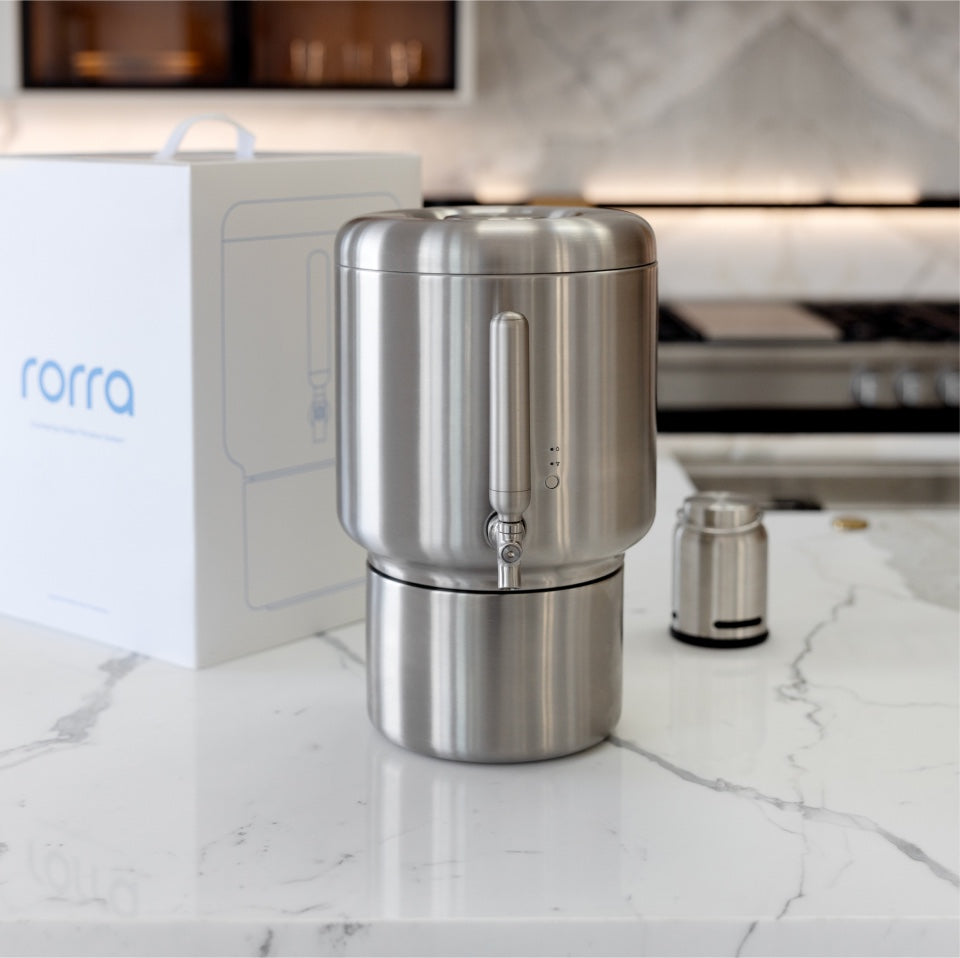
Rorra's advanced filtration systems represent a new standard in countertop water purification, combining sleek design with cutting-edge technology to deliver premium filtered water for modern households.
The brand had demonstrated strong unit economics and was attracting meaningful investor interest when they partnered with CTC during their active seed round.
When the founder of this DTC consumer goods brand first spoke with CTC, the business was already on a strong growth trajectory. The brand had demonstrated real unit economics, was attracting meaningful investor interest, and was in the final stretch of raising a formal seed round. The founder was also, by his own admission, the largest bottleneck on the creative and paid media side. His time was almost entirely consumed by the raise.
The practical implication was significant. The brand needed a team that could operate with real independence on Meta and Google, but the stakes were higher than typical onboarding. The founder wasn't just evaluating an agency's ability to run ads. He needed a partner whose outputs could stand up to investor-level scrutiny, because the numbers CTC would be producing were going to feed directly into how he told the growth story to the people writing him checks.
CTC officially kicked off the engagement in mid-March. What happened in the following six weeks reflects something important about how the team approaches new clients: the best version of this work isn't running good ads. It's becoming a reliable operating layer for the business, quickly enough to actually matter when it counts.
CTC developed a strategic creative portfolio that balanced product education with lifestyle positioning, ensuring strong performance across Meta and Google channels while maintaining brand consistency.
The creative approach focused on demonstrating real product value while building emotional connection with health-conscious consumers.

The strategic creative approach that drove engagement across Meta and Google channels.



From the earliest calls, it was clear that the founder's mental model of the CTC engagement was different from how many clients think about agency partnerships. The questions he was focused on were not purely tactical. He wanted reliable spend forecasts. He needed a clear view of customer cohort payback periods. He was thinking about the balance between top-line growth and profitable months, and specifically about how to communicate that balance to investors who might want different things from the same round.
Part of what made this engagement particularly high-stakes was the structure of the capital he was building. In addition to the equity round, the founder was working with a revenue-based lender who would fund a substantial portion of the brand's monthly ad spend, with repayment tied directly to when customer cohorts paid back. That structure meant the lending facility's entire repayment logic was built on the same cohort economics CTC was measuring and validating.
Within the first two weeks, the CTC data team had validated the brand's P&L against what was being ingested into Statlas, stood up the cohort model, and begun building the spend and efficiency infrastructure that would drive forecasting. It was unglamorous work, but it was the kind of foundational data integrity that investor conversations depend on.

Advanced filtration technology addressing water quality challenges
While other agencies focus on campaign optimization, CTC built the data infrastructure that became the foundation for investor communications and lending facility approval.
The clearest illustration of what CTC delivered came about three weeks into the engagement. The founder dropped a message in the client Slack channel with a pair of questions from an investor he was about to meet: what was the brand's return on ad spend by channel, and how had it trended as spend scaled? He also needed a quantified view of what percentage of new customer acquisition was organic versus paid. He added that he had about an hour before the meeting.
The CTC team confirmed the data existed in Statlas and committed to having it ready. Within the hour, a live report had been built directly from Statlas data, complete with the channel efficiency trend and the organic versus paid acquisition breakdown. The founder walked into his investor meeting with the numbers in hand. The organic share wasn't a rough estimate. The CTC team was specific: roughly 29% of new customer revenue was organic, rising to around 37% when branded search was included.
What made that kind of turnaround possible was the Statlas infrastructure the team had been building since day one. Because the data was already clean, modeled, and organized around the business questions the founder was being asked, the team wasn't scrambling to build something from scratch. They were surfacing work that already existed.
The live investor report was the most visible example of CTC's role in the raise, but it wasn't the only one. Throughout the following weeks, the team was actively configuring attribution settings within Statlas specifically for investor reporting purposes. The team treated the question of which settings to show investors as a live operational deliverable, not an afterthought.
By the time the round closed, Statlas had become the primary tool the founder reached for when putting together investor communications. That kind of workflow integration, where a founder treats the agency's data platform as the authoritative source for business performance, is not something that happens automatically. It is a function of how the team built the system and how consistently they kept the client connected to it from the earliest days of the engagement.
By the end of April, roughly six weeks after the engagement officially began, the equity round had closed, the revenue-based lending facility had been signed, and the founder had hired the brand's first VP of Marketing.
This engagement is a clear example of what distinguishes CTC's approach from conventional media buying. The speed at which the team built investor-grade reporting, answered real diligence questions under time pressure, and kept performance on track while a founder's attention was split across an active capital raise reflects something that goes well beyond campaign execution.
When a founder describes reaching for your platform when writing investor updates, that's the clearest possible signal that the work has crossed from service to partnership. That's what CTC is building toward with every client. This one got there in six weeks.